
Today is the feast of the Epiphany. Traditionally it marks the end of the Christmas holidays in Italy.
This is my first Christmas in my new home. We celebrated by blending traditions my family created during our life in America with our extended family’s Sicilian customs.
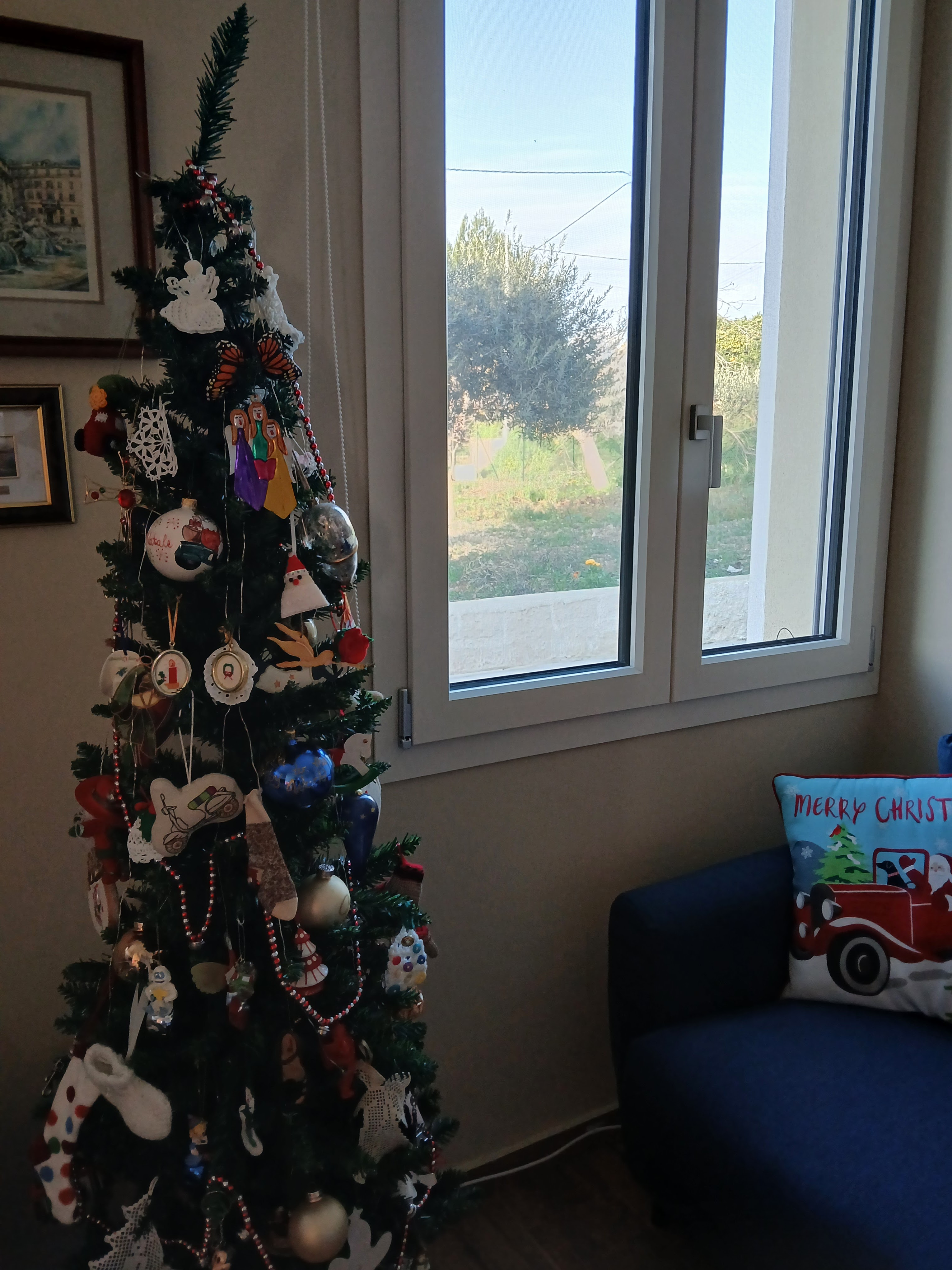
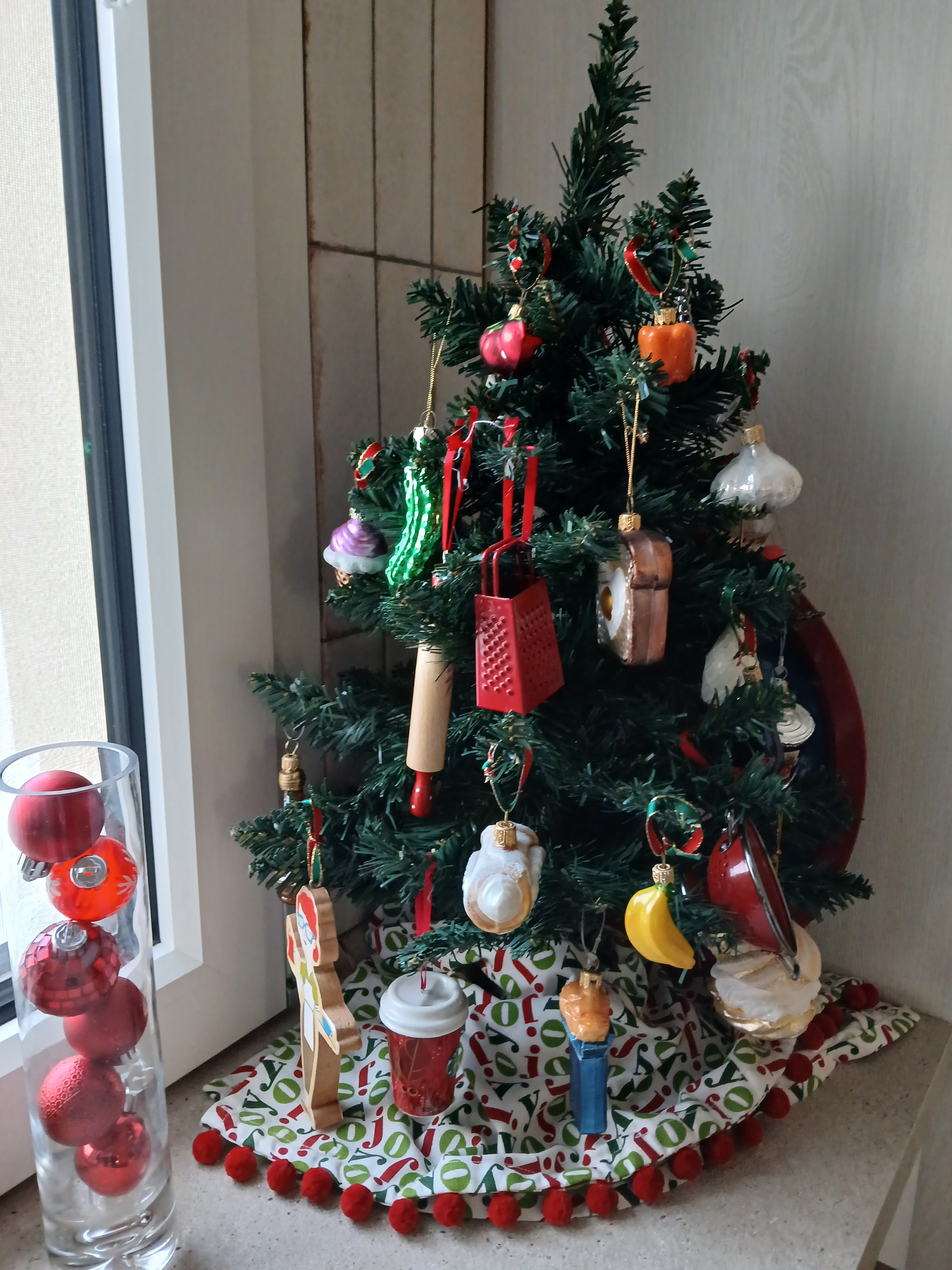
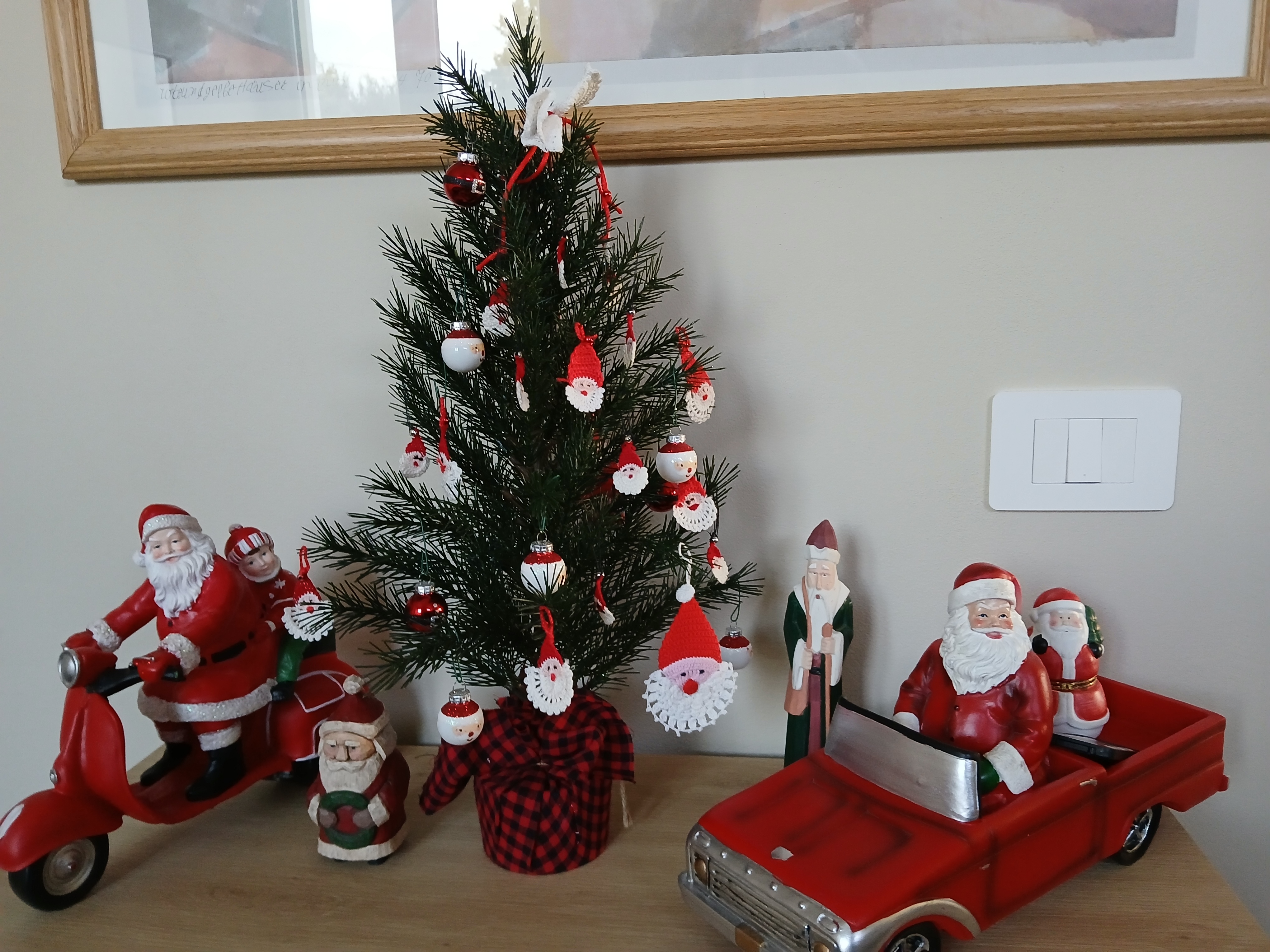
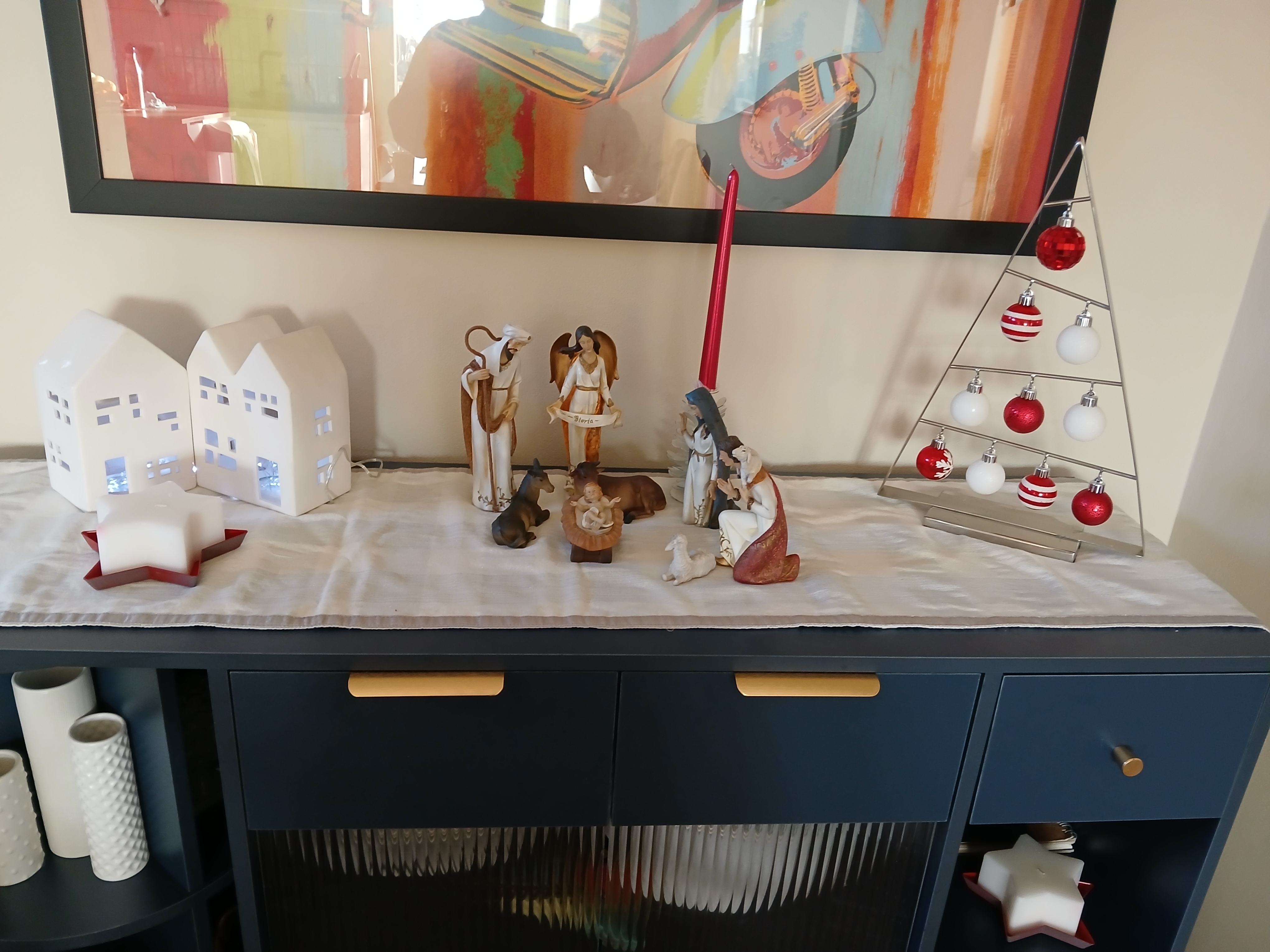
I began by unpacking the decorations we accumulated during our travels and collected over the years to adorn my house. I only shipped items that I loved and held meaning for me so decorating was an opportunity to relive cherished memories and to share the significance of each item with my nephew Salvatore and my niece Giorgia.
Holiday Food
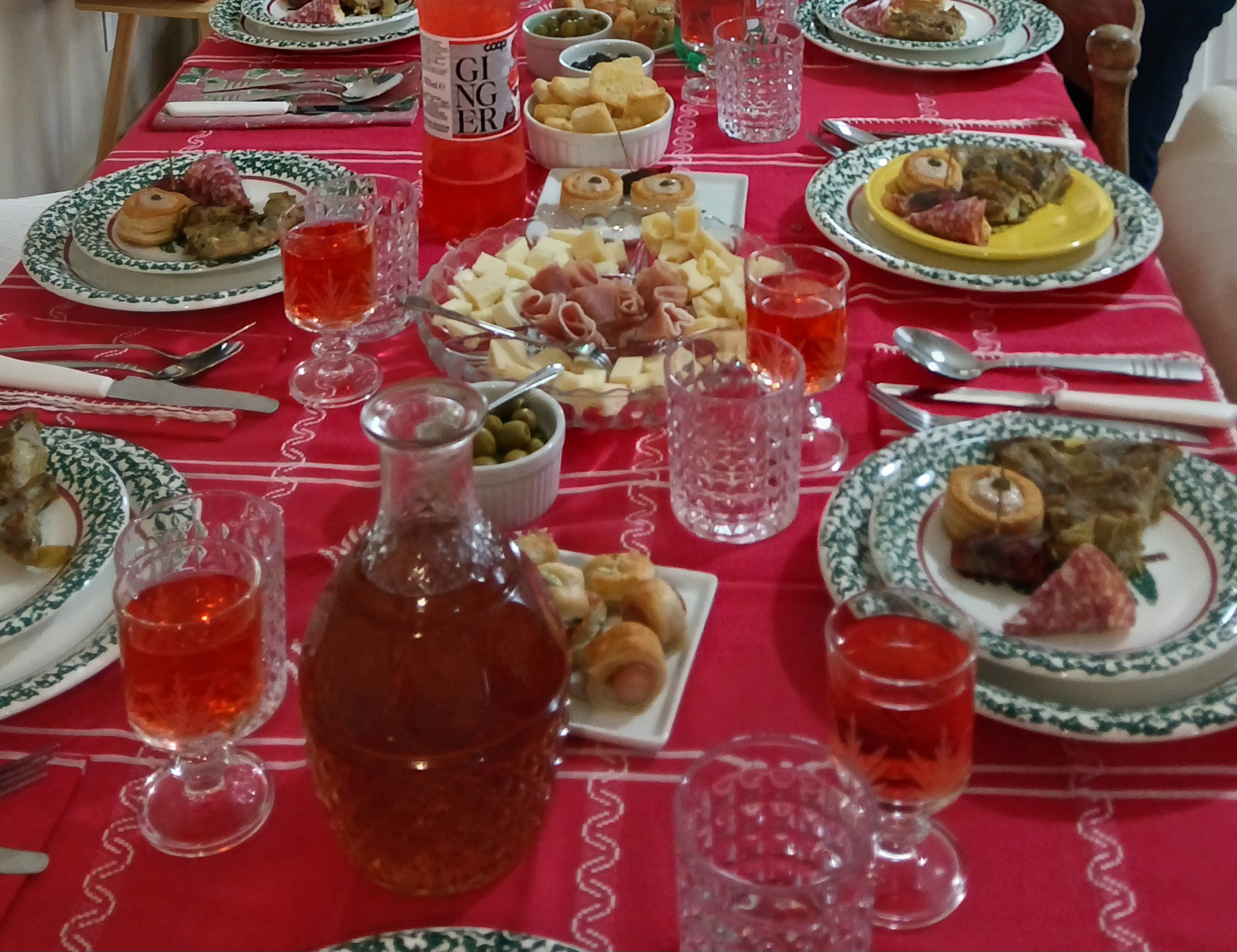
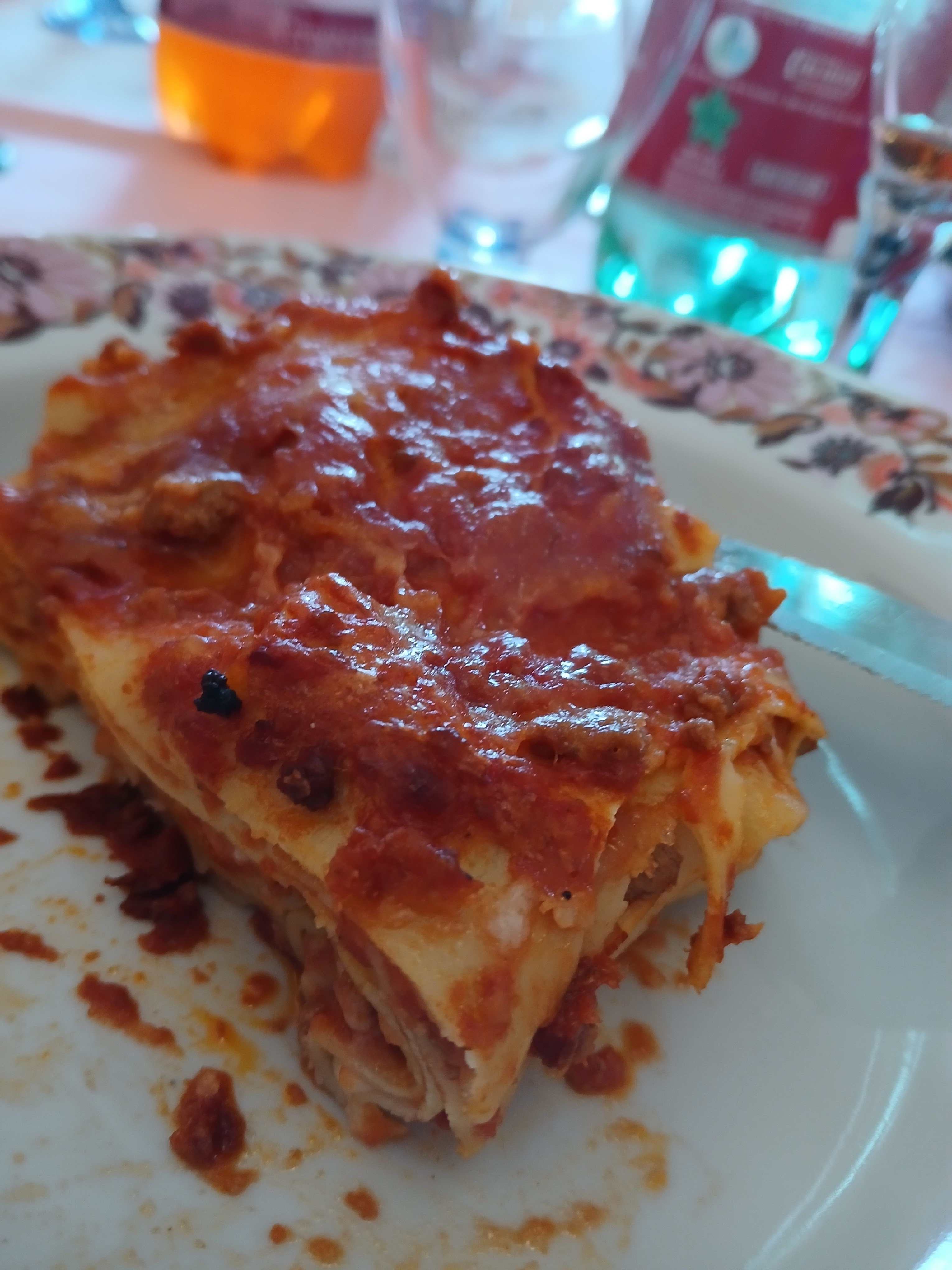
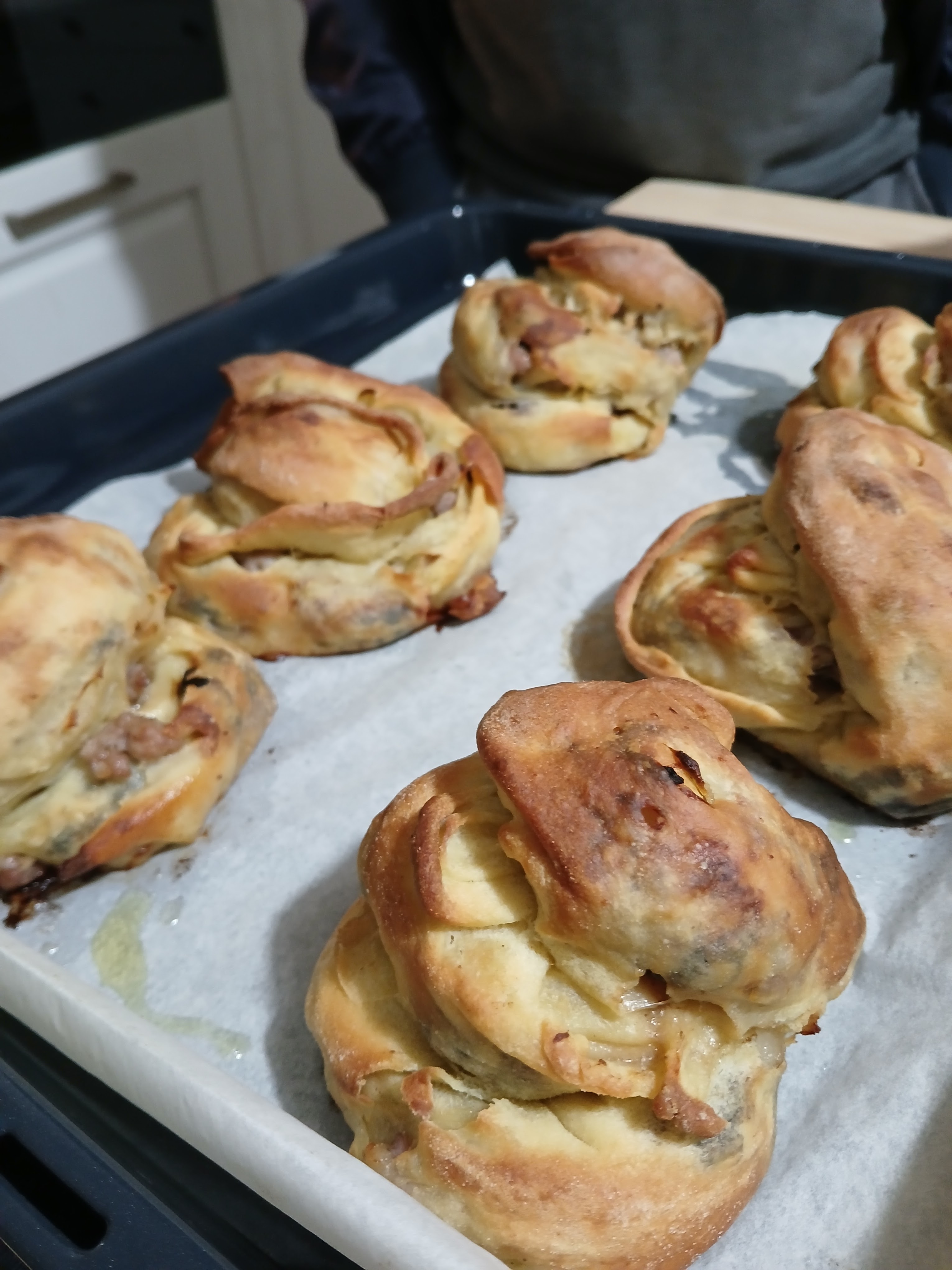
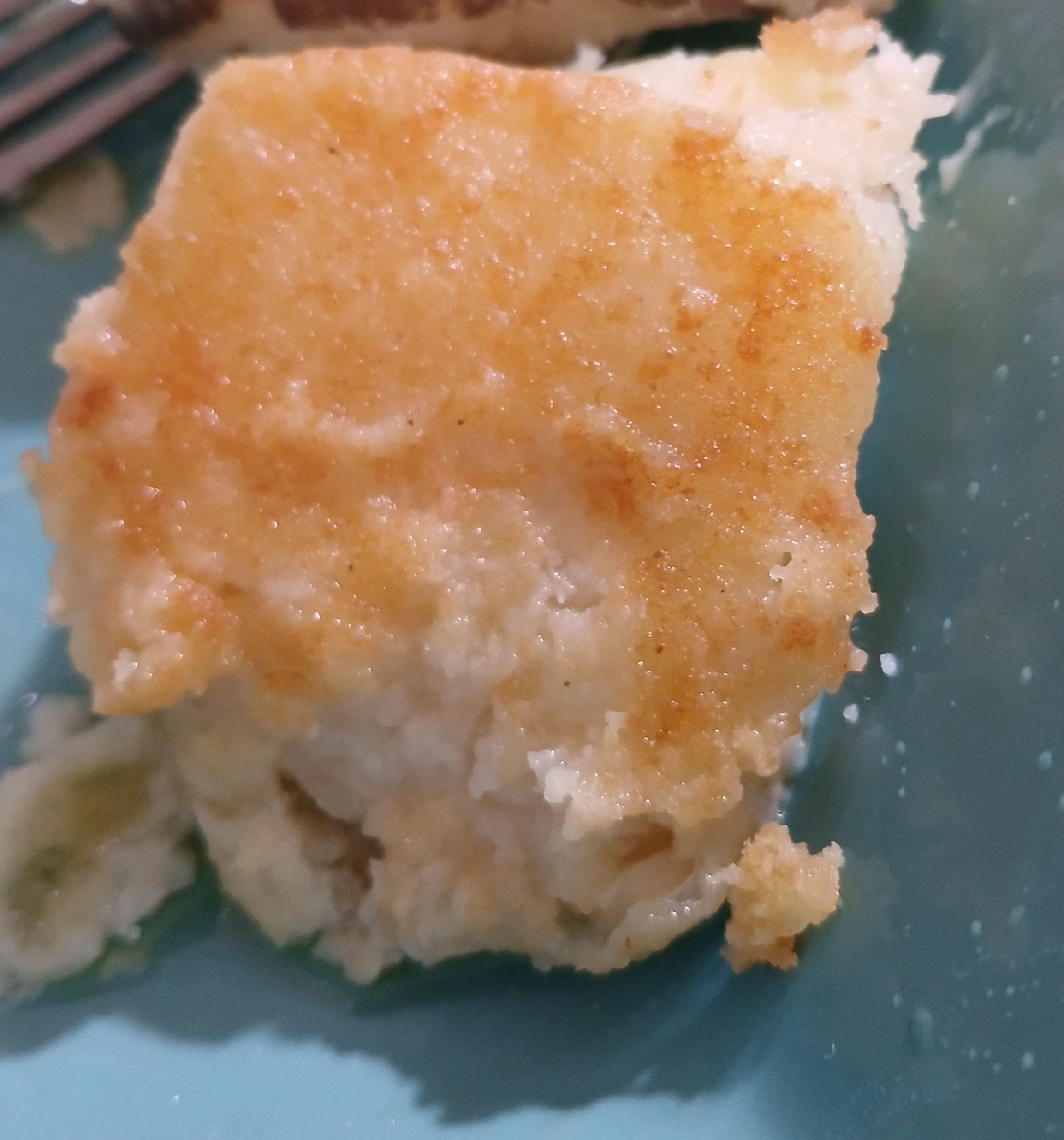
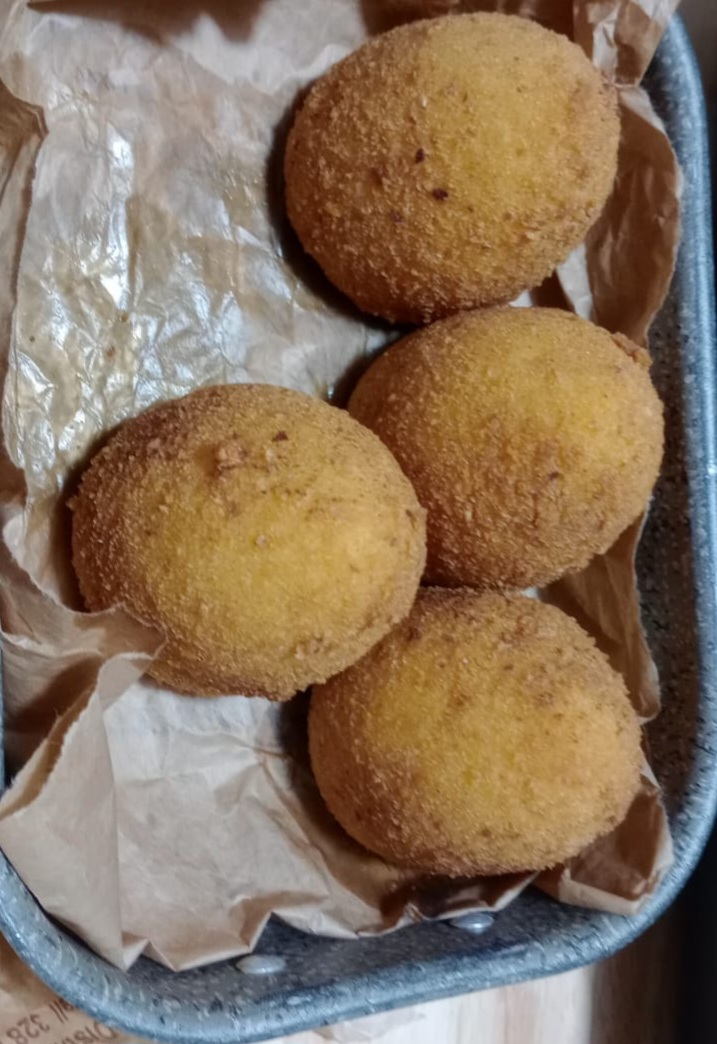
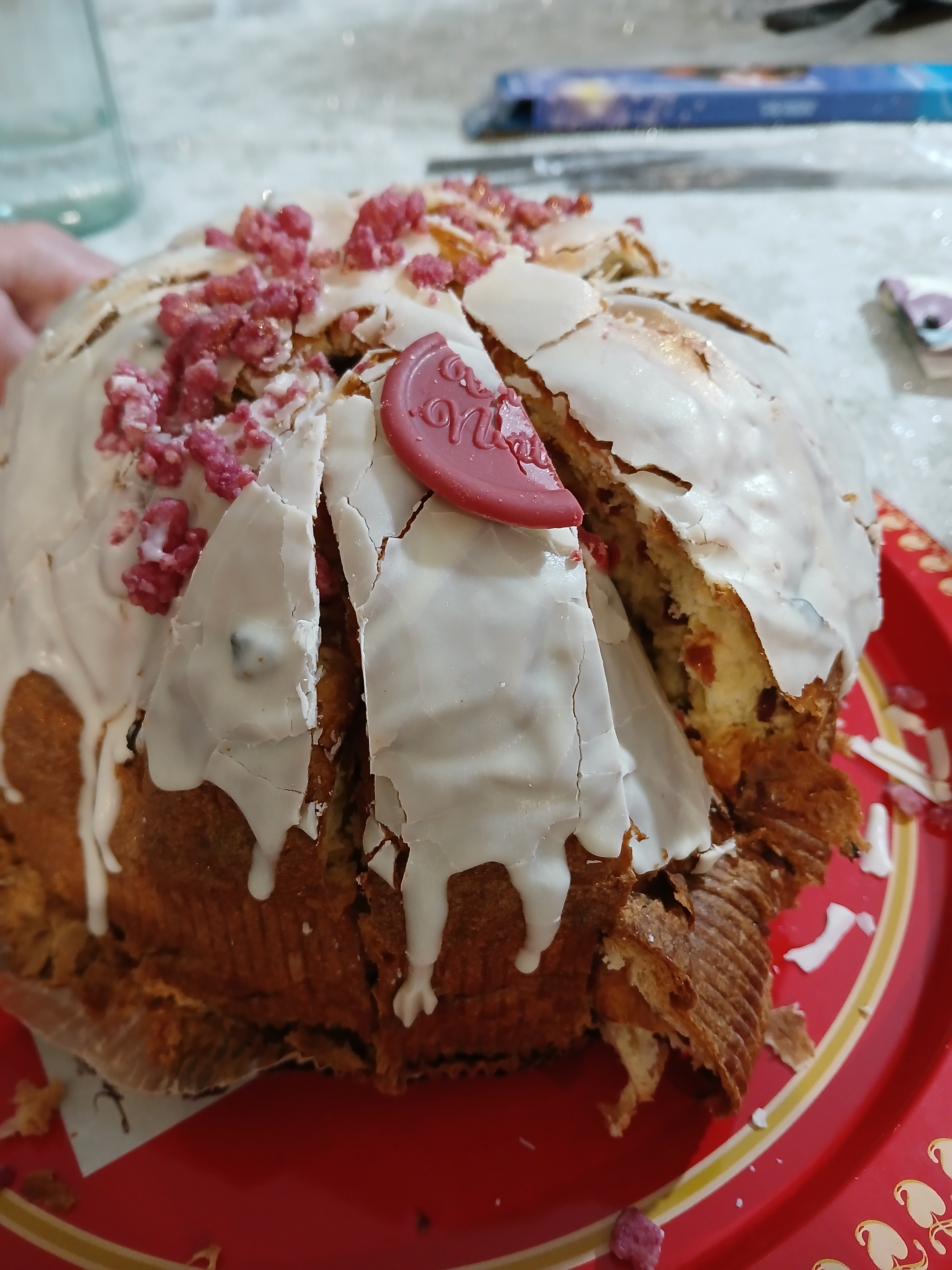
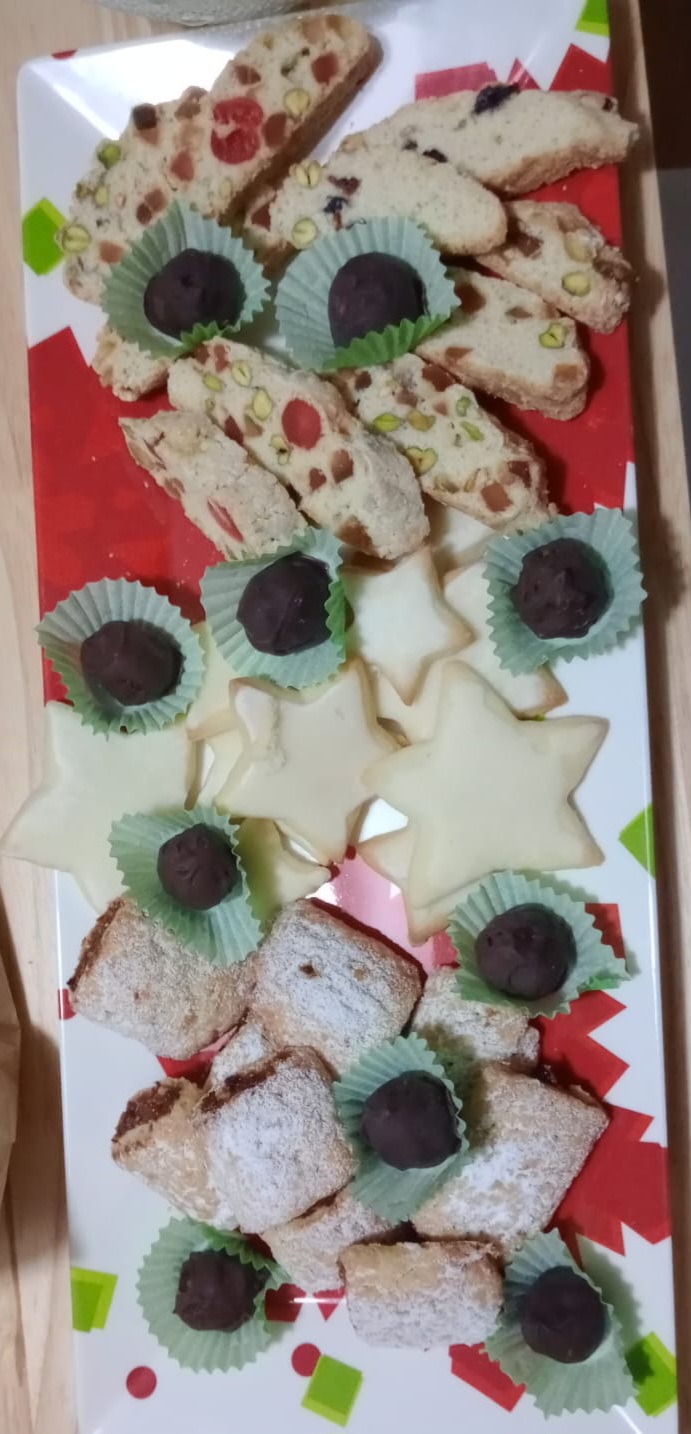
Christmas is a three day event in Italy, Christmas Eve, Christmas Day and the Feast of Santo Stefano. Of course, we gathered with family and enjoyed Sicilian specialties: Antipasti, Pasta Al Forno, M’Briulati, Baccala, Salsiccia, Pizza, various flavors of Panettone and, to add an American touch, I contributed a platter of homemade cookies and candy.

So What is a Nanaredda?
The Nanaredda is the Sicilian term for a Novena. A Novena is a devotional prayer recited daily for nine days before a feast day or to request special favors or blessings. It is an ancient tradition that continues today.
Because I adore traditions, especially ancient ones in my place of birth, I arranged to host a Nanaredda at my home.
La Nanaredda in Aragona is performed at Christmas time. It is a retelling of the journey to Bethlehem by Mary and Joseph. The story is sung by a Cantastorie (a story singer) accompanied by various Instruments.
The Cantastorie sings the poem “Viaggiu Dulurusu di Maria Santissima e lu Patriarca San Giuseppi in Betlemmi” meaning the Painful Journey of the Most Holy Mary and the Head of the Family Saint Joseph to Bethlehem. The poem is divided into nine stanzas and sung in Sicilian, specifically in the Aragona dialect. (In Aragona, though the word Nanaredda is spelled with two d’s at the end, it is pronounced Nanareddra, with an “r”, the same variation applies to Figuredda below.)
It is performed over the nine days before Christmas, beginning on December 16 and ending on December 24. They return on the day of the Epiphany, January 6. The final recitation is a joyful celebration of the gifts of the Magi.
La Figuredda
The Nanaredda is sung before a Figuredda, a small shrine with the images of Baby Jesus, Mary and Joseph. The shrines are usually permanent parts of buildings, at Christmas time they are adorned with lights and seasonal flora, such as orange branches and fruit.
I do not have a permanent shrine at my home, so Rose and I made a temporary Figuredda using a lovely image of Jesus, Mary and Joseph that we found in my house. After a couple of attempts, we created a very artisinal Figuredda and placed it on my veranda. Like many of our projects, it is imperfect. We had fun putting it together, it is sweet and we really like it.
During the nine days before Christmas we hosted Franco, the Nanaredda Cantastorie, and his group of musicians at my home. (We are a small village and everyone seems connected, Franco is my brother-in-law Angelo’s godson) Family and friends have stopped by to hear the Nanaredda with us.
Today, Rose and Angelo, my nephew Gianni, Gianni’s wife Caterina, my niece Maria Lucia, Maria Lucia’s husband Rosario, and Maria Lucia’s children Salvatore and Giorgia listened to final stanza and served donuts to the Cantastorie group, later we gathered for lunch as a family. It was a fun day!
I have thoroughly enjoyed the Nanaredda experience and hope to continue next Christmas.
As I was researching the origins of the Nanaredda, I found a book that my father (who also adored tradition) owned, on my bookshelf. The title of the book is “I Canti Della Tradizione Popolare Di Aragona” by Francesco Graceffa. “The Songs of the Popular Tradition of Aragona.” This book contains a historical perspective on the Nanaredda and includes the text of the “Viaggiu Dulurusu.” It is the source of my discussion on the Nanaredda.
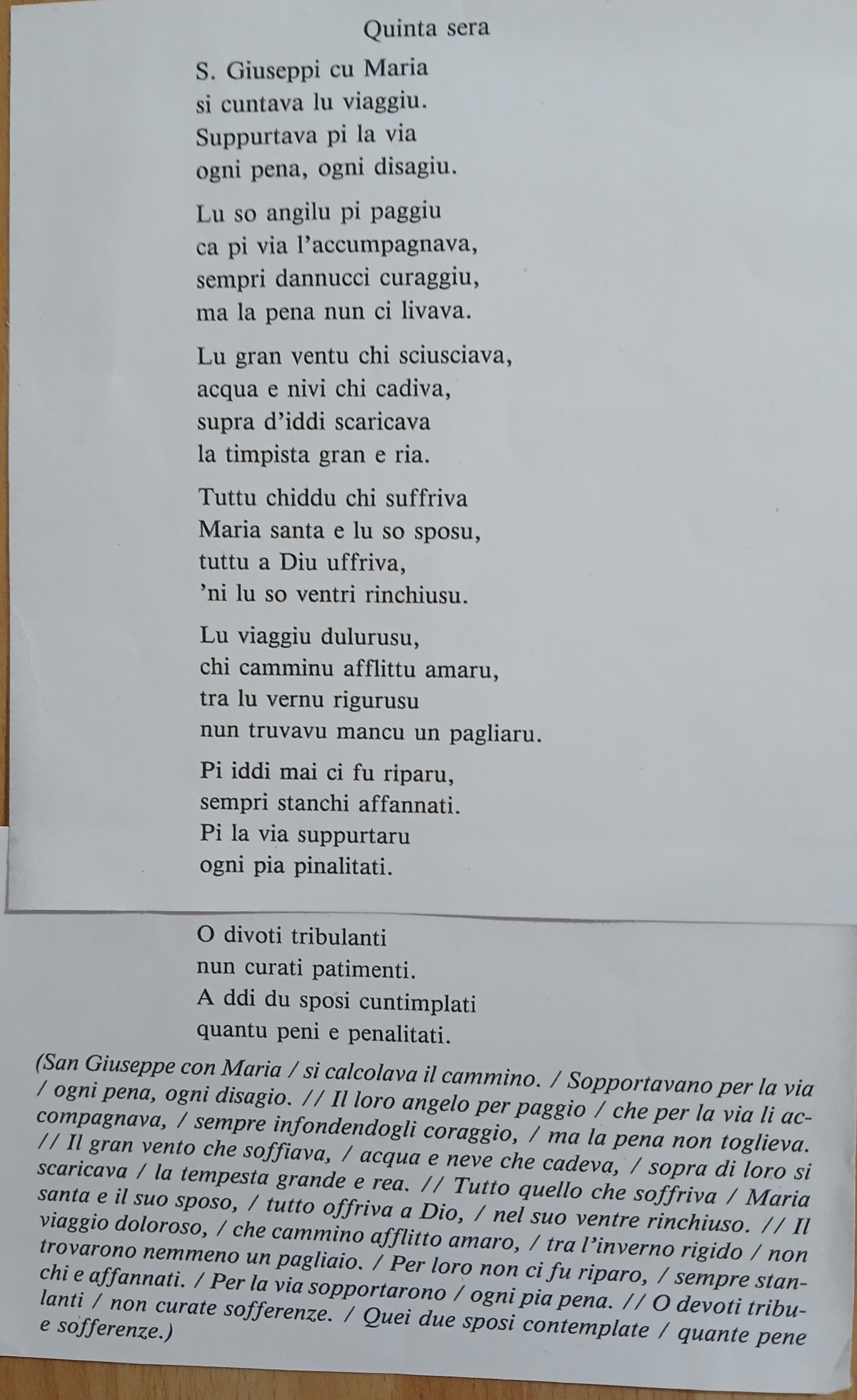
The following video is the recitation for Day 5. The Cantastorie skips a couple of stanzas, otherwise it is consistent with the text of Day 5. I pieced together and included the text of Day 5 along with an explanation in Italian for anyone who wants to tackle the Sicilian, I will be happy to photocopy the full text of the Novena and email to you if you are interested.
 Sicilianissimi in America
Merry Christmas Jo – how wonderful to see these traditions continuing. Hoping the best for you in the new year.
Colleen Gullo
Thank you Colleen, wishing you the best also. Loved the St Joseph Altar pictures. It is more beautiful each year!
Auguri per un Buon Anno, Jo! Hope all is well. Always enjoy reading your blog. The holidays are the best time to be with family and carry on traditions. So happy to hear from you!
I am delinquent in replying! Thank you for your good wishes! Auguri anche a te! I am happy that you enjoy reading and we can communicate through my little blog. I like to document my life and it is a creative outlet for me.
I loved everything you made !!Your tree and your special things you brought from your home
Than you Mary Anne. It felt good to surround myself with memories. Now on to Easter.